Immediate failure points and why they matter
Unscheduled downtime, driver behavior, unclear incident evidence, and rising fuel and maintenance costs repeatedly force schedule disruption and budget overruns. A focused countermeasure is targeted video and telematics: installing an AI dashcam on a subset of vehicles quickly reveals the root causes of the most frequent incidents—hard braking, distracted driving, and door-operation faults—so managers can prioritize interventions with data instead of guesses.
Root causes: what I see in operator audits
My analysis follows a consistent pattern across fleets: weak feedback loops and poor data hygiene. Specific recurring failings:- Reactive maintenance driven by breakdowns instead of scheduled condition checks.- Sparse, delayed incident evidence that wastes hours of administrative time.- No clear behavioral coaching path after an unsafe event.- Fragmented systems: fuel cards, maintenance logs, and GPS each live in different silos.These create a cycle: unclear cause → ad hoc response → repeat incident.
Tactical fixes you can apply this quarter
Adopt a problem-first rollout. Prioritize fixes with measurable impact within 90 days:- Targeted camera coverage: equip routes with the highest incident rates first.- Short maintenance intervals backed by condition-based checks (oil, brake wear).- A simple driver-review cadence: one coaching session per flagged event, with documentation.- Consolidate records into a single dashboard for weekly review.Each action pairs a clear trigger (e.g., harsh braking count > 3/week) with a specific owner and a 30–90 day outcome metric.
How to deploy dashcams without creating new problems
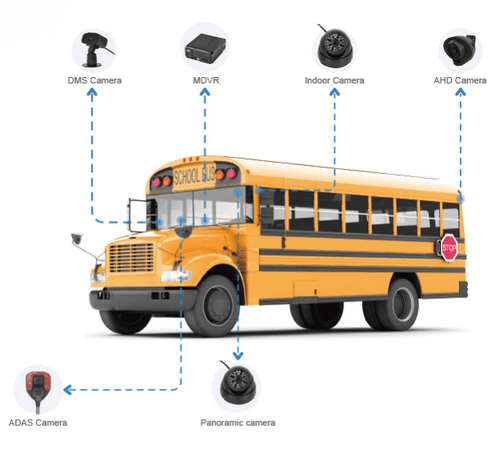
Dashcams solve evidence gaps but introduce risks unless deployed carefully. Steps that reduce rollout friction:- Define legal and privacy boundaries before installation and communicate them to drivers.- Start with 10–20% of the fleet on high-risk routes to validate detection rules and reduce false positives.- Integrate dashcam footage with maintenance and GPS records so one incident shows across systems.- Train a small verification team to triage clips; don’t let every clip drive a meeting.Choose devices that support edge processing to limit bandwidth and a clear retention policy to manage storage costs. If you’re selecting hardware, compare the use case for commercial fleet dashcams against consumer cameras—commercial units often include time-synced telematics and hardened mounting needed for buses.
Metrics that prove the approach works (and common measurement traps)
Track these KPIs consistently:- Incident rate per 100,000 km.- Mean time between service events for critical systems.- Average claim resolution time and evidence retrieval time.- Percentage reduction in harsh driving events after coaching.Avoid these traps:- Short evaluation windows that conflate seasonal fluctuations with interventions.- Over-indexing on raw footage counts instead of verified incidents.- Incentives that punish drivers for reporting; that creates blind spots.
Scaling and sustaining improvements
After the pilot phase, scale using a playbook: standardized installation, a verification workflow, and quarterly review meetings that look at the four KPIs above. Embed a feedback loop where technicians, dispatchers, and drivers each own one improvement item every quarter. From audits, fleets that standardize these routines reduce repeat incidents and administrative overhead.
Final synthesis: where to focus first
Start with the highest-frequency failure you can measure and pair one operational fix with one technology fix. Practical examples come from operators in New York City who resolved disputed passenger-operator incidents by correlating dashcam clips with route telemetry, shortening claim resolution by weeks. That pairing—focused problems, targeted tech, disciplined metrics—produces repeatable gains and reduces cost drivers. For fleets choosing a partner to supply hardware and integration, consider proven providers and integration models already used in commercial deployments like BSJ, then adapt the rollout to your routes and governance rules so the solution becomes an operational habit rather than a one-off project.