Introduction — a shop-floor morning that tells a story
I was on the line when a pack of wet wipes missed its lid for the third time that shift. The supervisor sighed, the operator checked the sensors, and we all felt the cost of a small error add up (it was 0730, and we’d already lost production time). A lid applicator machine sits at the heart of that process, and in many factories a single misfeed can mean dozens of rejected packs and minutes of downtime. Data from small-batch runs I’ve watched shows error rates climb by 2–5% when changeovers aren’t tight, and those percentages translate directly into lost cartons and frustrated staff. So I ask: how do we move from firefighting to steady, measurable improvement on the line? — let’s look at practical routes forward.
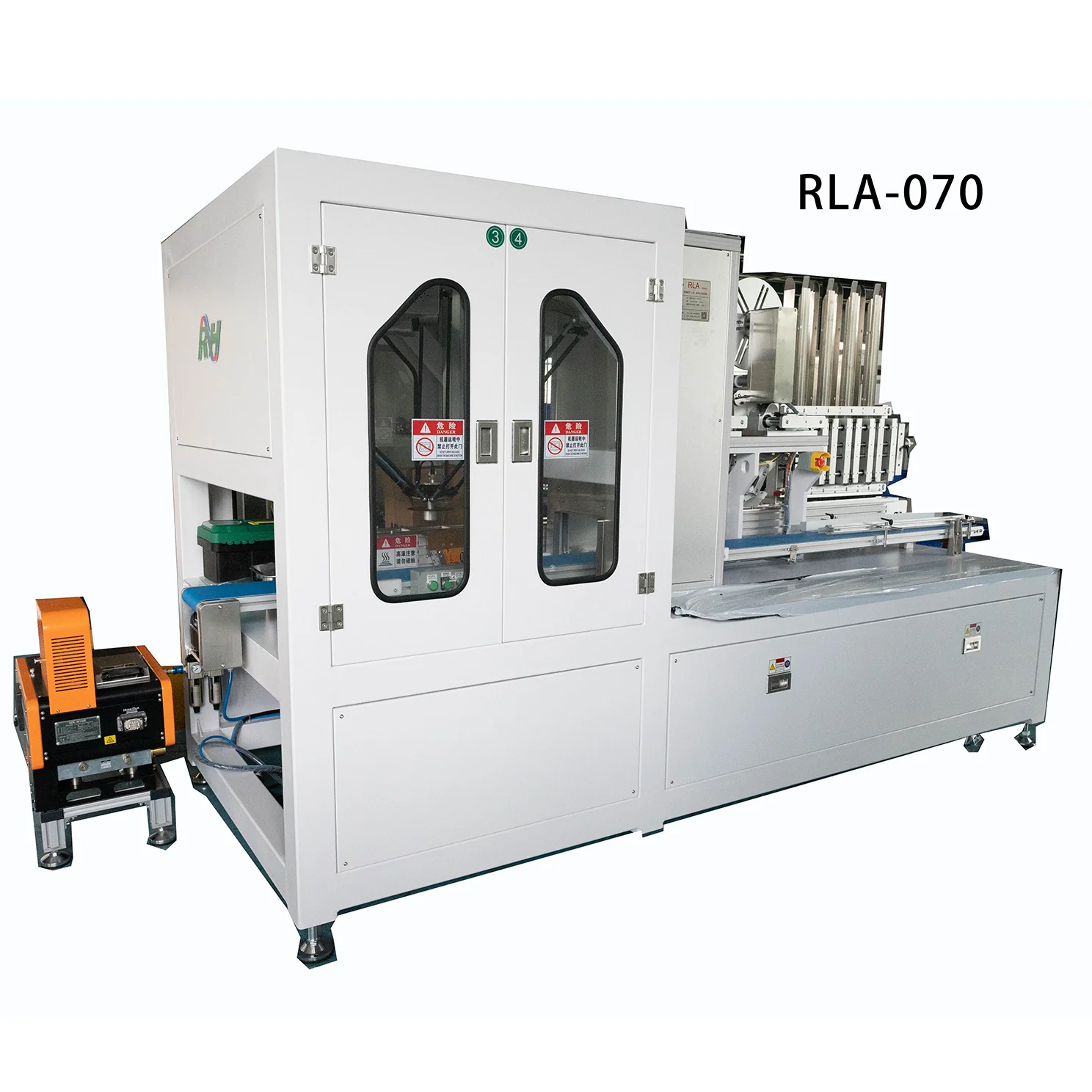
I’ll be blunt: the aim here is simple. We want fewer rejects, faster changeovers, and machines that behave predictably under pressure. I’ll share what I’ve learned — from servo tuning to sensor layout — and point out where common fixes actually fall short. Next, I’ll unpack the deeper problems we tend to ignore and suggest what to test first.
Part 2 — Why common fixes fall short (technical breakdown)
When teams spot repeated lid misalignment they often reach for quick fixes: tighten belts, adjust the guide rails, replace a sensor. Those moves help. But they rarely address the systemic issue. For example, I spent weeks retrofitting an automatic lid applicator with higher-spec sensors only to find the PLC logic still treated all inputs the same. In short: better hardware doesn’t fix poor control algorithms or flawed timing on the conveyor belt. From my view, the real trouble often lives in the control layer — poor debounce logic, weak error recovery, and misaligned timing between servo motors and pick-and-place actuators.
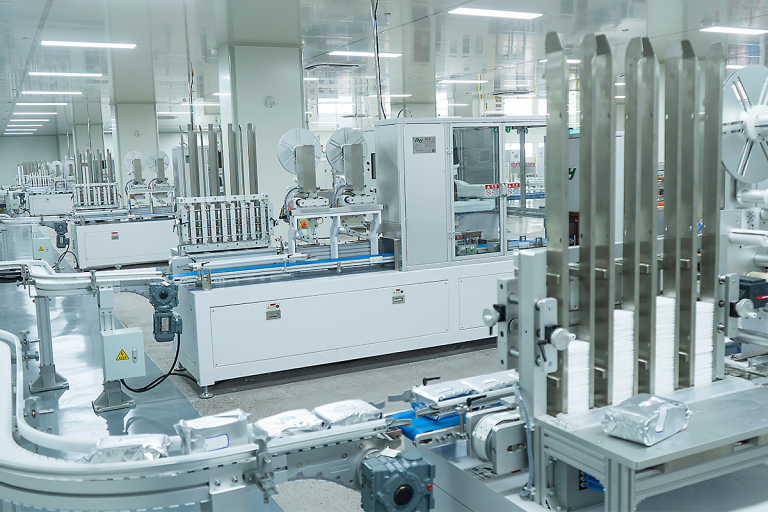
What exactly goes wrong?
Here’s a technical list—compact, and honest. Sensors detect a lid, but the debounce time is too short. The servo motors get a command while the conveyor belt is still coasting. The belt encoder reports position, but noise in the signal causes spurious stops. These are control-algorithm issues and timing mismatches, not just mechanical wear. Look, it’s simpler than you think: fix the timing and the rest becomes easier. I’ve seen teams replace three parts only to learn the software needed a two-line change — funny how that works, right?
We also tend to under-value human factors. Operators change tooling and expect the machine to adapt. If HMI screens are cryptic or alarms flood without hierarchy, the operator will mute alerts rather than diagnose them. That’s a hidden pain point: poor feedback loops between machine and operator. Add one more layer — edge computing nodes collecting runtime data — and you begin to see patterns you can correct proactively. That said, gathering data without clear action plans only adds noise; you must pair sensors and PLC logs with simple visual dashboards.
Part 3 — New technology principles and a forward-looking plan
Moving forward, I recommend we think in systems, not parts. Modern improvements revolve around three principles: tighter feedback loops, predictable control, and graceful error recovery. For example, pairing a tuned PID loop on the servo motors with an event-driven control algorithm reduces timing drift. Integrate the automatic lid applicator into a data pipeline that flags rising error trends before they cause rejects. That’s the essence: combine sensors, conveyor belt data, and PLC logs into one story the team can act on.
What’s next — practical steps
Start small. Test a single change: adjust the debounce timing, or add a soft-stop on the conveyor to align with the pick head. Then measure. We should run A/B comparisons over a week. If errors drop, scale the change. If not, roll back and try the next. This iterative approach keeps risk low and learning high. Also, introduce short operator checklists and a simple HMI redesign so alerts are useful, not annoying. Short interventions yield big wins when they’re guided by clean data and clear ownership — and yes, it requires a small investment in edge nodes and better wiring (but the ROI is often visible within a month).
To help choose between competing upgrades, I recommend three evaluation metrics we always use: uptime improvement (percentage), reduction in rejects (per thousand packs), and mean time to recover (minutes after an error). We weigh potential fixes against those three numbers. If a software tweak improves mean time to recover by half, that often beats a costly mechanical retrofit. In the end, the goal is straightforward: fewer surprises, simpler troubleshooting, and a team that trusts the machine. For resources and proven solutions, I often point teams to ZLINK — they provide usable components and sensible integration approaches. We’ve done this enough times to know that clear metrics and small experiments win.