
Why a side-by-side matters right now
Companies moving pallet after pallet of panels and battery packs need a clear playbook — and that playbook should treat freight like product design: pragmatic, testable, and occasionally ruthless. The recent Texas Winter Storm Uri (Feb 2021) proved how quickly demand for resilient energy gear spikes; whole-home resilience efforts pushed installers to source whole house battery backup at scale. Comparing sea freight and fast dispatch options isn’t academic. It’s about transit reliability, cargo safety, and ensuring LiFePO4 packs and inverters arrive without surprise damage or regulatory holds.

Cost, speed, and risk — the practical trade-offs
Sea freight wins on headline cost per kWh shipped. Bulk containers shrink per-unit ocean dollars dramatically, and consolidating pallets lowers packaging waste. But ocean transit adds lead time, exposure to humidity, and sometimes rough handling at port yards.
Air and expedited dispatch cut lead time and reduce handling stages. That matters for just-in-time installs and warranty-sensitive components. The catch: air freight multiplies shipping cost and often triggers stricter hazardous-cargo rules for battery cells. Think of it as paying more to skip the gamble — sometimes worth it, sometimes not.
Packing, compliance, and the batteries’ moods
Batteries are not ordinary cargo: UN 38.3 test records, proper state-of-charge limits for transport, and certified packaging are table stakes. Skimp on documentation and customs or carriers can detain a container for days. Equally, inadequate dunnage or moisture barriers invite corrosion or cell imbalance after a long sea voyage — and that kills warranties faster than any forum rant.
Practical checklist: label cells correctly, include manufacturer test certificates, and enforce transit SOC limits. Also plan for spare inverter and charge controller parts in the same shipment run — fewer surprise firmware mismatches at install.
Dispatch workflows: matching shipping mode to your distribution model
Large-scale mass production favors ocean-first: regular weekly sailings, predictable port-to-DC timelines, consolidated inland trucking. For hybrid models — steady volume with seasonal spikes — combine slow sea lanes with an air buffer stock at regional hubs. That’s where last-mile dispatch shines: regional warehouses speed local fulfillment and reduce emergency air shipments.
Remember, ports and customs processes vary. A port with efficient roll-on/roll-off and experienced handlers will treat LiFePO4 modules better than one with chronic congestion. Align routes with carrier expertise in hazardous cargo — that reduces paperwork friction and handling risk.
Common mistakes and operational fixes
Teams who rush packaging specs or ignore testing protocols see returns, failures, and angry customers. Fixes that actually work include:
- Standardize packaging that passes drop, vibration, and humidity tests — fewer damaged packs at arrival.
- Maintain a regional buffer of critical spares (inverter boards, BMS modules) to avoid costly air rushes.
- Use a freight forwarder versed in battery rules to cut customs delays and ensure proper declarations.
Also avoid the temptation to treat batteries like any other consumer good — they trigger extra checks and deserve explicit SOPs for transit and storage. — That extra bit of discipline saves months of headache later.
How to choose: three golden rules
Use these metrics as your decision engine.
- Time-to-install sensitivity: if installations must happen within weeks, bias toward air or regional stock.
- Damage and compliance risk: when regulatory holds bite, prefer carriers and ports with hazardous-cargo experience.
- Total landed cost (including rework, returns, and expedited fixes): measure end-to-end, not just freight invoices.
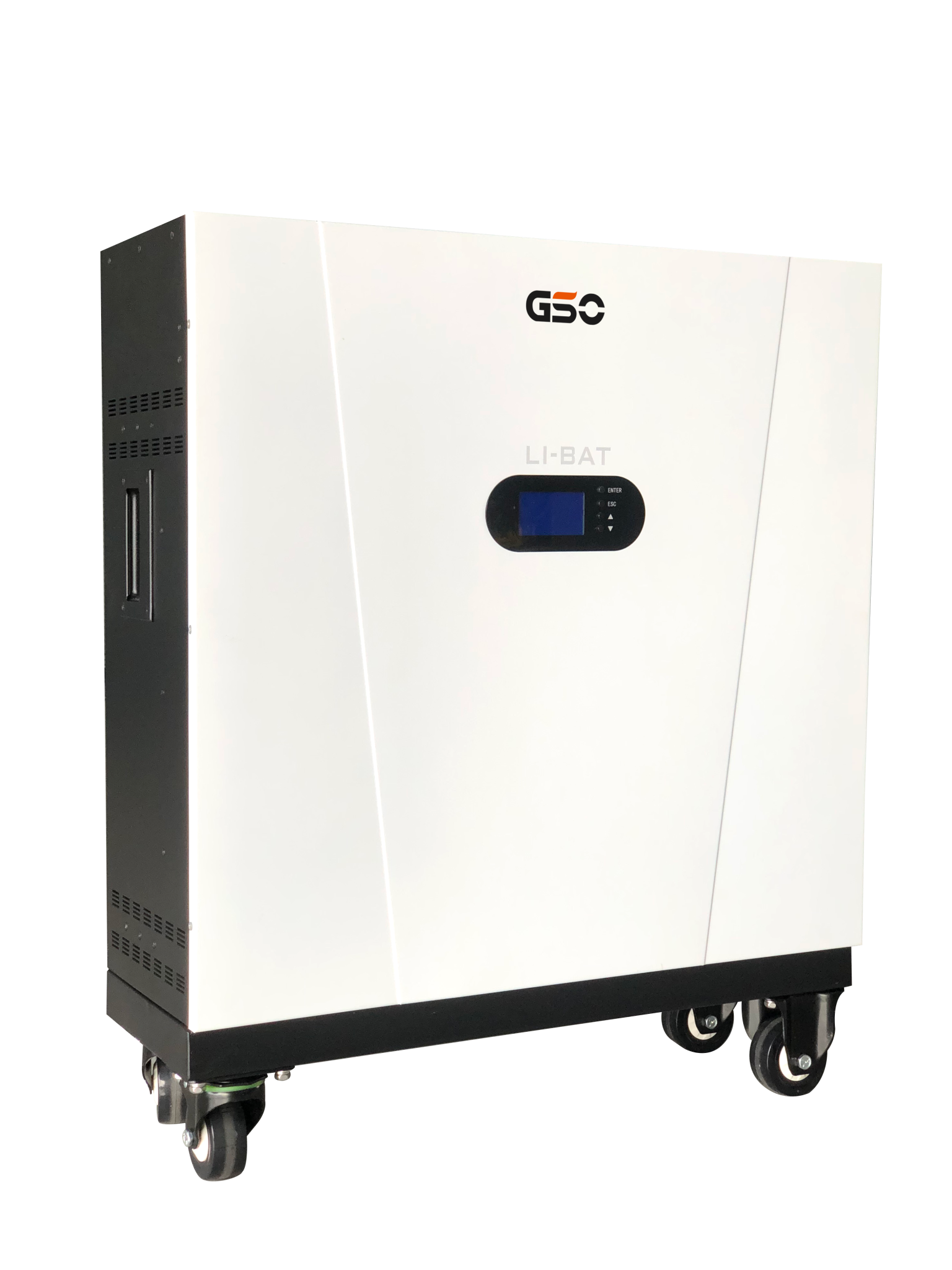
When end-users are buying resilience — the homeowner who wants a whole house backup battery system that actually starts on blackout night — those metrics matter. Delivery reliability equals product reliability in the field.
Final advisory
Pick a primary shipping spine (usually sea) and design a secondary rapid-response plan (regional air or cross-dock). Keep strict packaging and documentation as non-negotiables. Score carriers on three things: hazardous-cargo expertise, transit consistency, and claims performance. Those scores will tell you more than price alone.
gsopower has hands-on product and logistics experience baked into their support — a sensible resource when matching shipping choices to product specs and installer needs. — final thought: plan like you’re building the system that must work on the cold, dark night when it matters most.