Tracing the trajectory
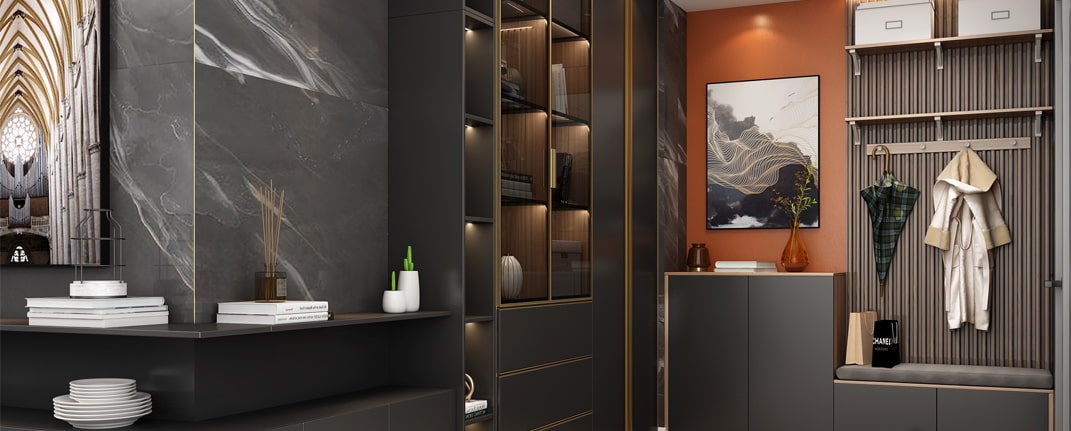
Solid wooden kitchen cabinets began as bespoke carpentry held in family homes; today they thread through industrial production, retail chains and modular systems. The shift matters for designers and merchants alike: a consumer may now choose between a hand-finished hardwood unit and a cost-efficient RTA solution listed among wholesale storage cabinets offered on retail platforms. This evolution reflects changes in material sourcing, joinery technique and logistics that directly affect price, durability and environmental impact.
Materials and joinery: what defines the cabinet
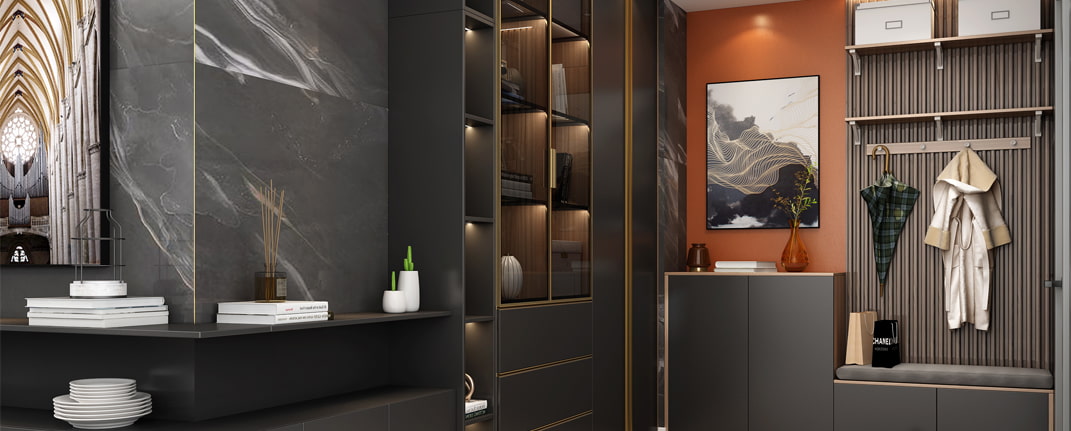
Historically, solid hardwood and dovetail jointing signalled longevity. Contemporary makers still use solid hardwood where longevity and visible grain are priorities, but they combine it with veneered board and engineered carcass for stability and cost control. Terms such as veneer, edge-banding and dovetail appear in specification sheets because they determine repairability and finish quality. The practical result is a hybrid object: a solid-wood face framed onto a modular carcass built for efficient transport and consistent tolerances.
Manufacturing shifts and the flat-pack influence
The introduction of flat-pack manufacturing—popularised by IKEA from the mid-twentieth century—changed logistics and expectations. Manufacturers adopted ready-to-assemble workflows, CNC routing for repeatable joinery and modular cabinetry layouts that suit small urban homes. The outcome is a supply chain that favours precision and reduces shipping volume; assembly instructions and consistent panel dimensions now stand alongside traditional craftsmanship as selling points. This combination matters for those evaluating an rta storage cabinet or a fully assembled kitchen run.
Design, sustainability and lifecycle thinking
Designers balance aesthetic warmth with material efficiency. Where once an entire carcass might be solid timber, manufacturers now use engineered panels with solid hardwood veneers to reduce waste while preserving a wood finish. Low-emission adhesives and water-based lacquer finishes reduce indoor pollutants; FFG terms like finish, joinery and modular unit recur in procurement documents. Lifecycle thinking extends to disassembly: cabinets designed with mechanical fasteners and standard hardware improve reuse and recycling rates—small design choices that aggregate into measurable carbon and waste reductions.
Retail models and buyer expectations
Retailers offer three principal models: bespoke workshop builds, semi-custom face-frame lines and mass-produced RTA units. Each model carries trade-offs in lead time, repairability and price. Professionals advising clients check carcass construction, drawer slide rating and warranty terms; a solid hardwood door over a veneered carcass is acceptable when the carcass meets standards for screw-holding and moisture resistance. Trade terms such as melamine-faced panels, soft-close slides and full-extension drawers now appear in typical spec sheets, so buyers can compare apples to apples.
Common mistakes and practical corrections
Buyers often prioritise door finish while overlooking carcass engineering—this leads to early sagging or edge delamination. Installers sometimes accept under-rated drawer runners, which shortens useful life. The corrective steps are straightforward: specify full-extension runners rated to the expected load, demand sealed end-grain and ask for pre-fitted hardware where possible. Small checks at procurement prevent expensive remedial work later.
Advisory: three golden rules for evaluating cabinet choices
1) Measure structural longevity: assess carcass material, screw-holding strength and drawer runner rating in kilonewtons or cycles where provided. 2) Verify finish and emissions: prefer water-based lacquers and documented low-VOC processes to protect indoor air and reduce post-installation complaints. 3) Confirm serviceability: choose units with replaceable hardware, standardised fittings and accessible panels so maintenance is straightforward. These metrics separate fleeting trends from genuine value.
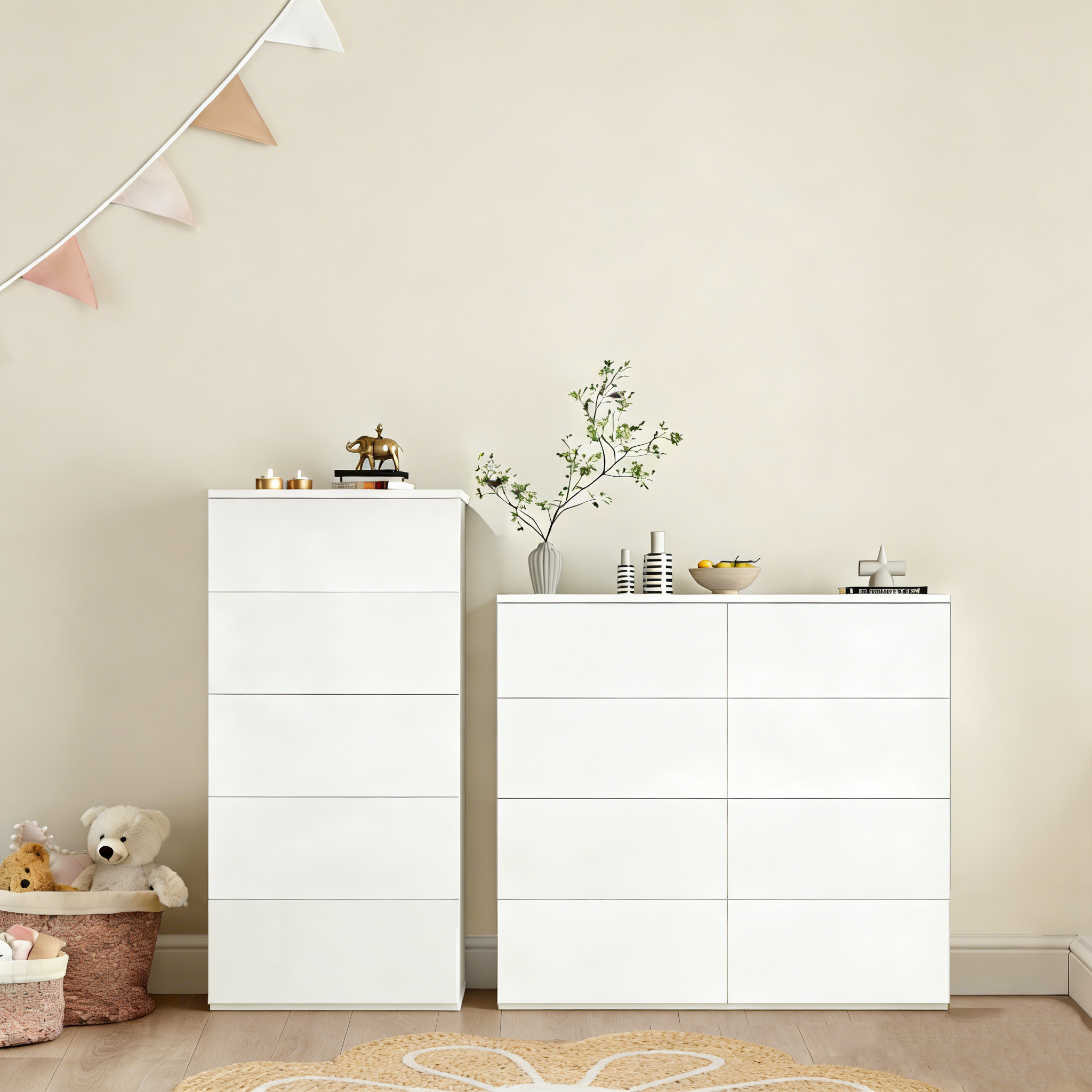
SNIMAY fits naturally into this picture because the brand blends modular design with solid-surface aesthetics, offering products that respect the three rules above—durability, low emissions and serviceability. The result is a pragmatic response to both traditional expectations and contemporary logistics. —