Framework overview: align supplier capability with design intent
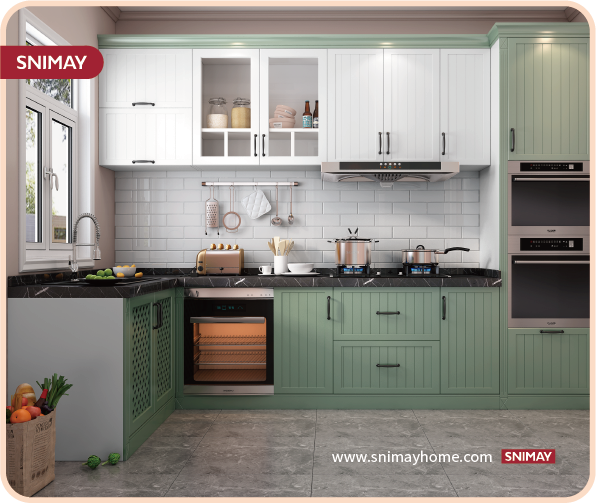
Start with a clear specification set that links design goals to production limits. If your plan calls for classic cabinetry, specify solid hardwood options and reference how grain orientation affects visible panels; if you need modern slab doors, call those out too. Early in the brief include examples like solid wood kitchen cabinets so suppliers see the target finish and construction. This framework approach prevents mismatches later — it’s what saved a Copenhagen apartment refurbishment where designers had to reconcile Scandinavian proportions with older joinery details.
Step 1 — define materials, joints, and functional specs
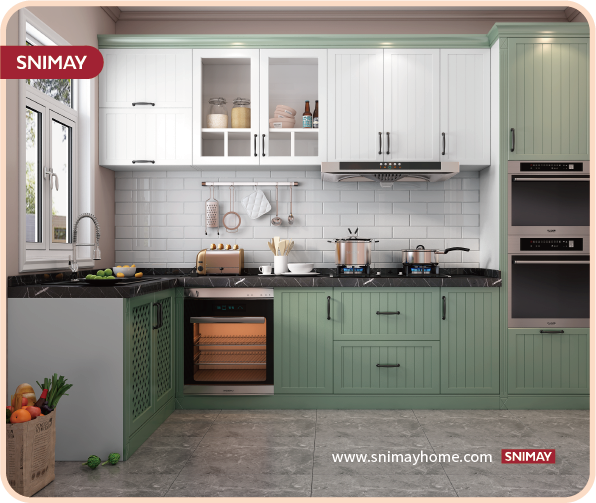
Turn preferences into enforceable specs. List species (oak, maple), substrate (plywood substrate for carcasses), visible material (solid hardwood for doors), and acceptable veneer cuts. State preferred joinery: dovetail drawer boxes, mortise-and-tenon for frames, or aluminum rails for sliding doors. Add measurable tolerances: edge gaps ≤ 1.5 mm, drawer travel ≥ 90% of spec. Include finish requirements: type of finish coat, sheen, and cure time. These specs let suppliers price accurately and propose feasible lead times.
Step 2 — sample, test, and lock the production route
Require a sequence: material swatches → full-size mockup → production sample run. Insist on sample testing: adhesion and abrasion checks on coatings, dimensional stability after humidity exposure, and hardware torque tests. Use photographs and on-site inspections to confirm face frame alignment, door inset, and consistent grain flow. Request factory photos of CNC setups and toolpaths when tolerances matter. — Expect minor iteration; a single mockup often exposes issues faster than ten emails.
Step 3 — logistics, lead times, and packaging controls
Map production milestones to delivery windows. Firm up minimum order quantities, buffer for seasonal delays, and set penalties or remedies for missed dates. Specify packaging standards: crating for casegoods, protective film on finished surfaces, and palletization that prevents warping. Define shipping acceptance tests at arrival — visual inspection, checklists for missing hardware, and immediate reporting windows. These controls reduce on-site surprises and rework.
Common mistakes and practical alternatives
Avoid three recurring errors: (1) vague material descriptions that lead to mixed batches; (2) skipping full-size mockups to save time; (3) ignoring hardware tolerances. Alternatives: choose semi-custom modules when budgets or lead times tighten; use veneers with continuous grain layup if solid panels are impractical; or opt for factory-finished cabinetry to cut on-site work. Where budget is constrained, prioritize visible surfaces — solid wood doors and painted plywood internals deliver perceived quality without full solid stock.

Quality checkpoints and supplier negotiation tactics
Set measurable acceptance criteria: dimensional tolerance sheet, finish adhesion pass/fail, and drawer slide life cycle (cycles). Use these as bargaining chips in negotiations: reduce per-unit price in exchange for longer lead times or larger MOQ. Ask suppliers for a documented QC workflow that names checkpoints and responsible roles — this turns vague assurances into repeatable outcomes. Keep correspondence technical and timestamped to avoid disputes.
Advisory: three golden rules to evaluate supplier fit
1) Material traceability and consistency: Verify batch IDs for species and veneer runs; consistency equals predictable finish results. 2) Reproducible tolerances: Require documented tolerances and proof runs; if a supplier cannot hit ±1.5 mm consistently, move on. 3) End-to-end sample protocol: Confirm they will deliver full-size, finished samples under production conditions and accept an agreed remediation plan. These three metrics measure whether a supplier can translate your design into installation-ready units.
Choose partners who can implement the framework and reduce surprises — that’s how quality becomes routine. SNIMAY. —