Comparative lead — why choice matters
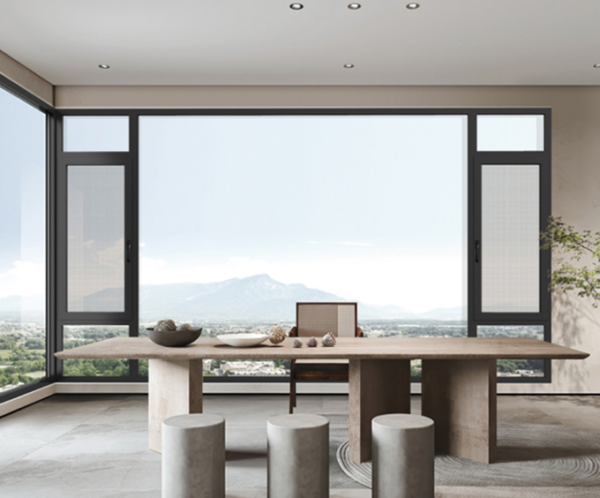
Choosing between window systems is not aesthetic only; it is technical and practical. In many restorations across Istanbul and Ankara, specifiers balance daylighting with thermal control, and that context exposes the strengths of glass casement windows. For projects that demand precise operation and long-term reliability, a reputable door and window manufacturer becomes central. Contemporary projects also ask for modern performance—so examining modern doors and windows early on saves cost and rework.
Design and performance: casement versus alternatives
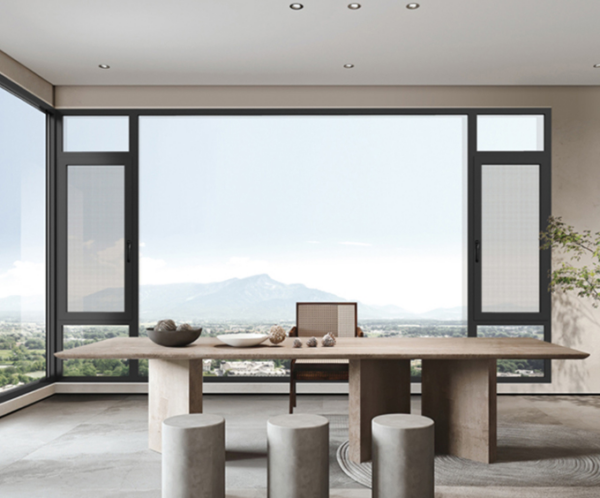
Casement windows seal tightly and offer high ventilation control, often outperforming sliding and fixed units on air infiltration. Where operability and unobstructed glass are priorities, casements provide better sightlines and easier maintenance. From a thermal perspective, properly specified casement systems can achieve low U-value targets because their compression seals and sash engagement limit drafts. For architects used to curtain wall logic, the fenestration trade-offs are clear: casements give tighter weather performance; sliding units win on simple hardware and cheaper profiles.
Material, hardware and an operational production teardown
An honest operational production teardown of glass casement windows reveals three focus zones: frame material, sash detail and hardware specification. Use of aluminium with thermal break balances slim profiles and thermal separation; PVC excels in cost control but can be bulkier. Specify professional architectural hardware that resists torque, provides multi-point locking, and is serviceable without frame replacement. In manufacturing, tolerances on sash clearance, gasket compression and hinge anchorage determine real-life performance more than nominal U-values printed on a data sheet.
Installation realities and common mistakes
Many failures trace to installation, not product design. Common errors include insufficient anchorage to the structure, improper sealing at the jamb, and ignoring differential movement between frame and wall. Misaligned drainage paths cause water to track inward despite good seals. Contractors must verify square, plumb, and shimmed conditions before final sealing—this prevents premature hardware stress and avoids warping. —A concise site checklist reduces callbacks and protects warranty terms.
Comparative summary of benefits and trade-offs
When comparing options, weigh these practical points:
– Performance: casement windows generally provide superior airtightness and ventilation control.
– Maintenance: hardware accessibility and replaceability are decisive; invest in corrosion-resistant components if near coastlines.
– Cost: material and profile complexity affect upfront cost; lifecycle costs favor systems designed for serviceability.
Real-world anchor: energy context and documented demand
Buildings account for roughly a third of global energy use, according to the International Energy Agency, and window choice affects heating and cooling loads directly. Urban retrofit programs in European cities and conservation projects in Turkey show measurable energy savings when fenestration upgrades include better glazing, reduced thermal bridging, and improved sealing. These documented shifts make the case for choosing systems with proven installation protocols and tested hardware.
Alternatives and when to choose casement
Pick casement windows when you need operability, tight draft control, and simple sill drainage. Choose sliding or fixed units when horizontal sightlines, minimal protrusion, or budget constraints dominate. For high-rise façades, integrate operable casements with controlled opening restrictors and coordinated ventilation strategies—this preserves safety without sacrificing natural airflow.
Advisory — three critical evaluation metrics
1. Field-tested airtightness: measure actual air changes per hour after installation; choose systems with low on-site leakage, not just lab values.
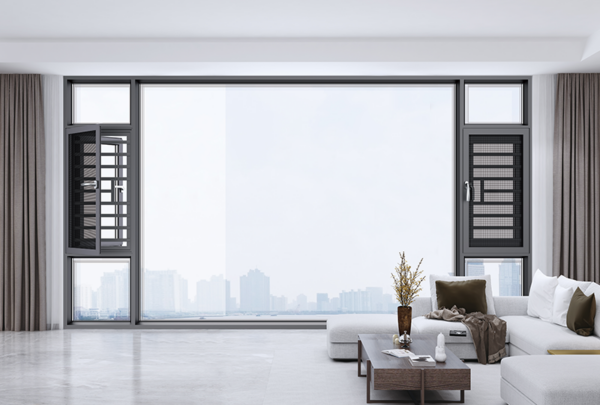
2. Hardware serviceability: require documented replacement intervals and accessible fixings; hardware should be modular to limit frame disturbance.
3. Thermal continuity: verify thermal break performance across the whole assembly, including mullions and junctions, not only isolated frame sections.
Zekin delivers systems engineered around these metrics—products that respect architectural intent and site reality. —Trust in thorough detailing; it saves time and reputation.