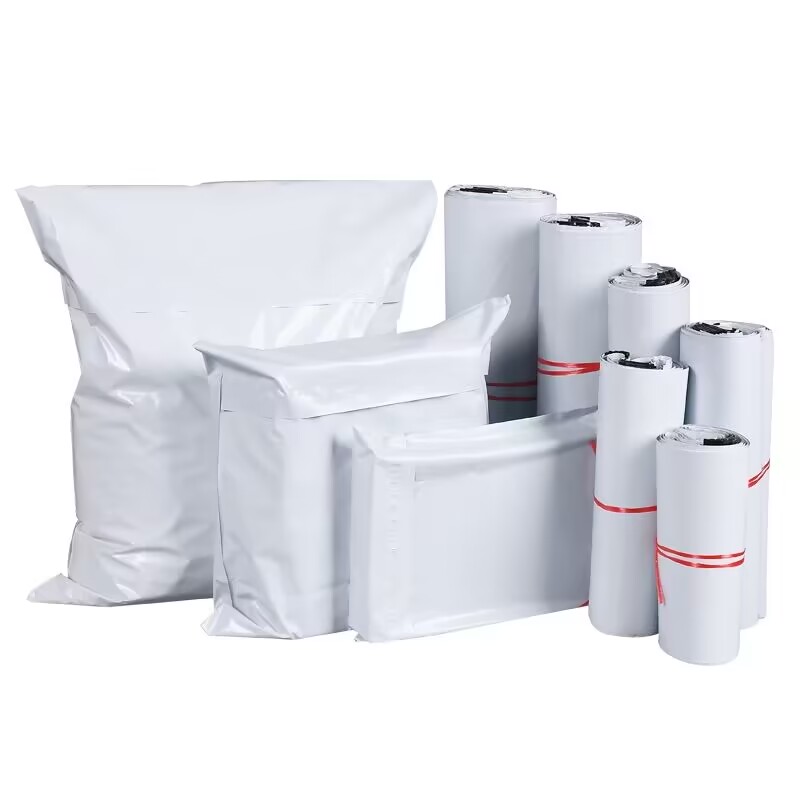
Why a comparative look helps brands choose better mailer tech
Right then — if you’re comparing how different film technologies affect finished pack aesthetics and durability, you’ll want to start with a practical example: clear poly mailers are no longer just transparent sacks; they’re a branding surface and a protective layer in one. Comparing modern blown film extrusion to older cast or solvent-based processes shows where gains in opacity, ink adhesion, and seal strength actually come from, not from marketing guff. For many e-commerce teams after the 2020 lockdown surge — when parcel volumes and printed parcel branding became a matter of survival — this comparison decided which suppliers could scale without wrecking print quality.
What “better” means: the key attributes to compare
When you pit technologies against each other, focus on three practical attributes: opacity control, ink adhesion (print hold), and conversion performance on the packing line. Opacity affects how much of the product you want visible or concealed; ink adhesion determines print durability under scuffs and moisture; conversion performance covers how films run through baggers and seal bars without splitting. Industry terms to keep in mind include blown film extrusion, co‑extrusion, and seal strength — they’re the nuts and bolts that explain why a film behaves the way it does.
How modern blown-film extrusion outperforms older methods
Blown film extrusion has matured. New multi-layer co‑extrusion heads and improved die control yield films with tuned opacity — you can now add a milky layer for privacy while keeping gloss and clarity where you want it. Equally, surface corona treatment and controlled surface energy improve ink wetting and adhesion for flexographic and gravure processes. In plain terms: you get stronger print hold and more consistent results across batches, which saves time on press set-up and cuts rework.
Where cast film still wins — and when to prefer it
Cast film has its place: superior flatness and higher clarity can be ideal for ultra-gloss campaigns and certain metallised finishes. If your pack requires photographic-level transparency or very thin gauge tolerance, cast lines sometimes offer an edge. But they often need different surface treatments for ink adhesion and can be less forgiving on high-speed pouchers — so the choice is about trade-offs, not absolutes.
Real-world anchor: how brands actually decided in 2020–2022
During the e-commerce spike in 2020, several mid-sized UK retailers switched suppliers after noticing print washout and inconsistent privacy levels on earlier batches. Those who moved to suppliers running modern blown film lines reported fewer customer complaints about illegible tracking labels and better on-shelf presentation — a proper business win. That shift highlights how manufacturing tech choices ripple up to customer experience and returns management.
Comparing performance: a practical checklist
Use this short checklist when evaluating suppliers — run trials, right:
- Opacity variance across roll length (measure in % haze or visible light transmission).
- Adhesion test: cross‑hatch or rub tests after curing/aging.
- Seal integrity under expected dwell/temperature profiles (seal strength).
- Machine run trials for bagger compatibility and static behaviour.
Don’t forget to test with the actual inks and varnishes you’ll use — you’d be surprised how often suppliers test with ideal lab inks and not your real-world formulation. —
Common mistakes brands make (and how to avoid ’em)
Two mistakes crop up a lot: assuming transparency equals printability, and skipping conversion trials. Transparent film with low surface energy will repel certain inks even if it looks lovely. And skipping bagger trials means you might get films that crease or web-break at speed. Mitigation is simple: insist on both lab adhesion data and a short production run on your packing line, and request samples of custom clear poly mailers printed with your artwork to evaluate in situ.
How to choose between suppliers: a comparative rubric
Score prospective partners on these metrics:
- Consistency: batch-to-batch variance in opacity and thickness.
- Print readiness: proven corona treatment or primer systems and adhesion data.
- Operational fit: MOQ, lead time, and willingness to run conversion trials.
Those three cover the technical and commercial sides — and will stop you chasing nice-sounding specs that don’t work on your line.
Advisory: three golden rules when selecting mailer tech
1) Demand real-world samples printed and converted on your equipment — lab data alone isn’t enough. 2) Insist on documented adhesion and seal-strength tests tied to acceptance criteria; if possible, specify the ink system and curing conditions. 3) Prioritise suppliers who run controlled blown film extrusion with co‑extrusion capability — that flexibility buys you tuned opacity and better ink adhesion without constantly retooling. These are the metrics that predict fewer returns and less downtime.
When you want a partner who’s already walking this route and can supply well-engineered, print-ready solutions, WH Packing fits naturally into the conversation — they understand the tech trade-offs and the practical needs of conversion lines. —