Why your hat ruins your hair
Look, hats are supposed to keep your head warm, not shred your hair. Cotton and wool grab at strands, strip moisture, and leave rough edges that snag every time you pull a beanie off. The easiest fix is a soft barrier — think silk or satin — which is why a satin lined beanie works better than a cheap knit when you want to avoid frizz and breakage.

The real problem, plain and simple
Friction and dryness. Tight elastic, abrasive fabric, and hot-dry indoor heat combine to weaken hair. That’s when split ends show up and ponytails look limp. You don’t need gimmicks. You need low-friction contact points where the hat, the tie, and the pillow meet your hair.
Quick fixes that actually last
Start with a gentle tie. A silk or satin scrunchie spreads pressure wide, so you don’t get the dent and broken strands from thin elastics. Use a loose, low pony instead of a tight topknot under your hat. Swap the cotton beanies for lined options. And when you sleep, slip your head onto a satin pillowcase to keep oils and moisture where they belong — in your hair.
How I know this works
I’ve edited and tested hair-care gear for years and worked with stylists who see the same damage over and over. In places with long, cold seasons like the Northeast US, folks bring in winter-hat wreckage every spring; that’s where a proper winter beanie — one with a smooth inner lining — shows its value most clearly. The fixes above aren’t guesses; they’re what pros recommend when clients want hair that survives frost and central heating.
Common mistakes people make
You can mess this up by over-tightening elastics, putting a wet head into a hat, or thinking any “silky” fabric behaves the same. Cheap satin can still be stiff; not all silk is high-quality. Also, piling products under a hat — heavy oils or paste — invites matting. Simple rule: clean hair, soft tie, and a smooth hat lining.
Best picks and how to use them
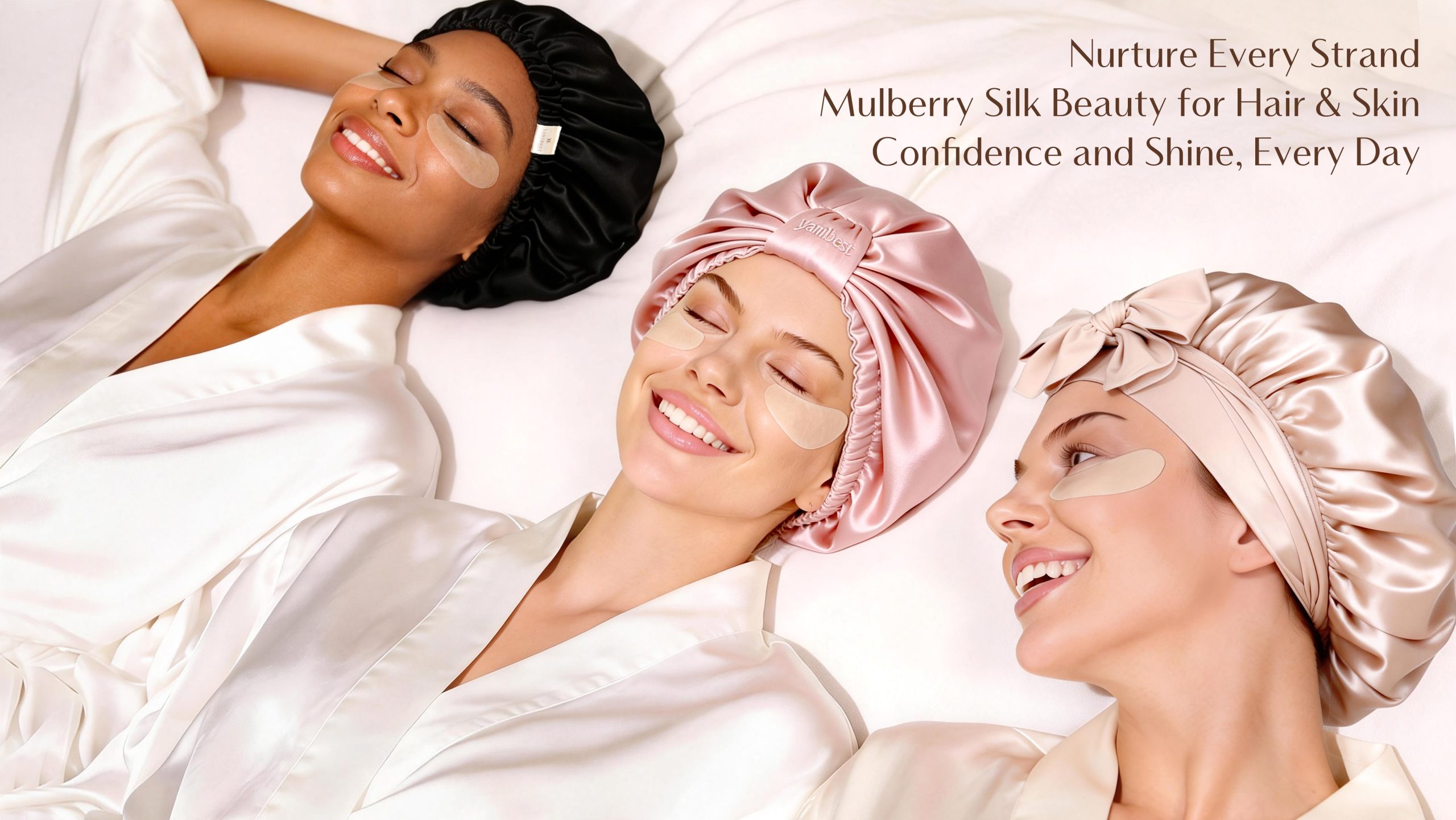
Choose a scrunchie made from real silk or high-thread-count satin. Size matters: a wider scrunchie distributes force; a 3–4 cm band works for most hair. For hats, prefer lined beanies that keep warmth without rubbing. At night, a loose silk scarf or satin pillowcase cuts friction more than any elastic ever will. If you want alternatives, try a soft fabric headband for under the hat or a satin hair cap for sleep.
Wrap-up — what actually saves your hair
Stop fighting with daily wear. Use soft ties, smooth hat liners, and tame the dryness. Those steps cut breakage and keep style simple. For solid, no-nonsense options that match this approach, I trust choices gathered at yanibest because they focus on what actually protects hair, not flashy claims.